Pre-1965 Silver Coins: How to Tell What You Have and What It's Worth
Catalog values and authentication details — pre 1965 silver coins.
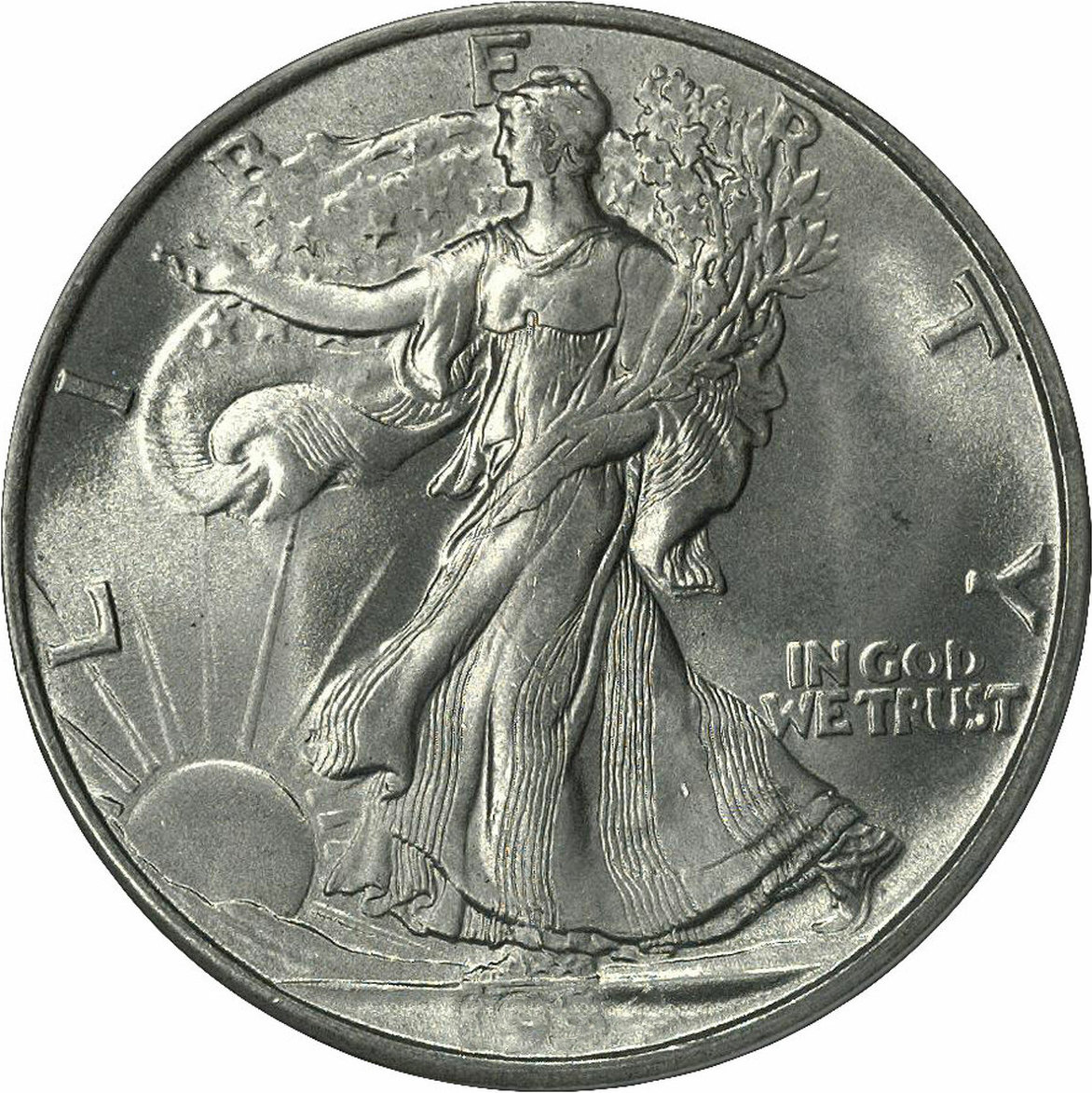
Every dime, quarter, and half dollar struck by the United States Mint before 1965 is made of 90% silver. That means the dime rattling in a junk drawer, the Washington quarter sitting in a coin jar, and the Walking Liberty half pulled from an estate box all carry real bullion value — regardless of condition — simply because of what they're made of. At almost any silver price above a few dollars per troy ounce, a pre-1965 dime is worth several times its face value in metal alone.
This guide explains exactly which coins are silver, how to confirm what you have with a few quick tests, how much silver each denomination contains, and what to expect when selling a bag of "junk silver" to a dealer. It also covers the one important exception — the 1965–1970 Kennedy half — that trips up even experienced collectors.
Why 1965 is the dividing line
Silver prices rose sharply through the early 1960s, and by mid-decade the metal value of a dime was approaching — and sometimes exceeding — ten cents. People began hoarding silver coins and melting them for profit, which drained coins from everyday commerce. Congress responded with the Coinage Act of 1965, which removed silver entirely from dimes and quarters starting with the 1965 dated coins, and reduced the half dollar from 90% silver to 40% silver. The familiar clad sandwich — a copper core bonded between two layers of cupronickel — replaced silver in everyday pocket change.
The result is a clean dividing line: 1964 and earlier for dimes and quarters, and a slightly more complicated story for half dollars and dollars.
The one exception: 1965–1970 Kennedy halves
When the Coinage Act of 1965 reduced the half dollar's silver content, Congress didn't eliminate it entirely — the Kennedy half dollar continued in a 40% silver composition from 1965 through 1970. Starting in 1971, Kennedy halves became fully clad with no silver at all.
So the half dollar breakdown works like this:
- 1964 and earlier (Walking Liberty, Franklin, and early Kennedy): 90% silver, 0.3617 troy oz of silver per coin.
- 1965–1970 Kennedy halves: 40% silver, 0.1479 troy oz of silver per coin. Still worth carrying home — just worth less per coin than their 90% predecessors.
- 1971 and later Kennedy halves: no silver; face value only.
The 40% silver Kennedy halves are the coins most often confused for clad: they look identical on the face and reverse. The edge test (see below) is the fastest way to tell them apart.
How to identify a silver coin: four quick tests
1. Check the date
For dimes and quarters, a date of 1964 or earlier guarantees 90% silver — no further testing needed. For half dollars, 1964 or earlier is 90% silver; 1965–1970 is 40% silver; 1971 and later is clad. Learn how to read the mintmarks on these coins with our mint mark identification guide, which also covers the difference between Philadelphia, Denver, and San Francisco issues.
2. Look at the edge
The most reliable visual test: hold the coin with the edge facing you and look for a reddish-brown stripe of copper through the center. That stripe is the copper core of a clad coin. A genuine silver coin has a completely uniform, silver-gray edge with no stripe of any other color. This test works on dimes, quarters, and halves. The 40% silver Kennedy halves show a very faint stripe — much thinner and lighter than the obvious copper stripe on a fully clad coin.
3. Weigh it
Silver coins and their clad replacements have slightly different weights because silver is denser than the cupronickel alloy used in clad coins. A 90% silver dime weighs 2.50 grams; a clad Roosevelt dime weighs 2.27 grams. A 90% silver quarter weighs 6.25 grams; a clad Washington quarter weighs 5.67 grams. A digital gram scale accurate to 0.01g — available for under $15 — makes this test definitive when the date is worn or the edge is difficult to read.
4. The ring test
Drop a silver coin on a hard surface and it produces a clear, sustained ring — the same property that made silver famous in bells and musical instruments. Clad coins produce a duller, shorter thud. This test is less precise than edge inspection or weighing, but it's fast and surprisingly reliable once you've heard the difference a few times. Magnets are sometimes mentioned, but they're not reliable for this purpose: neither silver nor cupronickel is magnetic, so a magnet will not attract either type of coin.
Silver content per coin
Once you know a coin is silver, the amount of actual silver it contains is fixed by its composition and weight. These figures are the standard troy-ounce silver content per coin for US issues:
| Coin | Dates | Composition | Silver (troy oz) |
|---|---|---|---|
| Mercury Dime | 1916–1945 | 90% | 0.0723 |
| Roosevelt Dime | 1946–1964 | 90% | 0.0723 |
| Washington Quarter | 1932–1964 | 90% | 0.1808 |
| Walking Liberty Half | 1916–1947 | 90% | 0.3617 |
| Franklin Half | 1948–1963 | 90% | 0.3617 |
| Kennedy Half | 1964 | 90% | 0.3617 |
| Kennedy Half | 1965–1970 | 40% | 0.1479 |
| Morgan Dollar | 1878–1921 | 90% | 0.7734 |
| Peace Dollar | 1921–1935 | 90% | 0.7734 |
To calculate the melt value of any coin, multiply the silver content in troy ounces by the current spot price of silver. The silver melt calculator does this automatically across every silver coin type — enter your quantities and it returns total ounces and current dollar value at live spot.
What "junk silver" means and dealer premiums
The term junk silverhas nothing to do with condition. It simply refers to pre-1965 US silver coins that have no significant numismatic (collector) premium above their silver content — worn common dates that are bought and sold purely for the metal. A heavily circulated 1957 Roosevelt dime is junk silver. A heavily circulated 1964 Washington quarter is junk silver. They're not worthless — they're essentially small silver bullion pieces in coin form.
Dealers and bullion buyers typically quote junk silver by the face-value bag: a $1,000 face value bag of 90% silver dimes and quarters contains approximately 715 troy ounces of silver. The going premium over melt fluctuates with supply and demand — in periods of high silver demand, premiums of 10–20% over spot are common for retail buyers; dealers buying from the public typically pay closer to melt or a few percent below. Individual coins sell at higher per-ounce premiums than bulk bags because of handling costs.
Not every pre-1965 coin is junk silver. Key dates and high-grade examples carry numismatic value that far exceeds their silver content. A Morgan Dollar key date like the 1893-S is worth orders of magnitude more than its 0.7734 oz of silver. Always check the date and mintmark before assuming a coin is only worth melt.
Getting the live silver price
Silver spot price moves during every trading day, which means the melt value of your coins changes continuously. The LuckyCoin metals dashboard tracks the live silver spot price and automatically updates the calculated melt value for every silver denomination. Bookmark it before you buy or sell anything.
Common mistakes and traps
Silver-toned clad coins
Clad coins — especially older ones — can develop a dark gray or silvery patina that makes them look silver. The date test and edge test resolve this immediately: if the date is 1965 or later on a dime or quarter, it's clad regardless of color. A quick glance at the edge for the copper stripe confirms it.
1965 and later dimes that look old
The Roosevelt dime design ran continuously from 1946 through today, and clad versions from 1965 onward are visually identical to their silver predecessors. A worn 1968 dime and a worn 1963 dime look nearly the same at a glance. The date is the only reliable shortcut here — check every dime individually if you're sorting a mixed lot.
Assuming all old-looking half dollars are 90%
The 1965–1970 Kennedy halves are 40% silver, not 90%. They're still worth holding, but a collector or dealer paying 90% silver prices for them is overpaying. Know the dates and composition before you transact.
Forgetting that Morgan and Peace dollars exist
Silver dollars are sometimes overlooked by people focused on dimes and quarters. A single Morgan Dollar or Peace Dollar contains 0.7734 troy oz of silver — the equivalent of more than ten silver dimes. Any bag of old coins that includes large dollars deserves a close look before being priced as junk.
Detectorists pull pre-1965 silver dimes, quarters, and halves from the ground regularly — see our guide to coins found metal detecting for what to do with a fresh-dug silver coin, and LuckyFind for the detecting side of the hobby.
Where to go next
If you've identified silver coins and want to know whether any of them carry collector value above melt, start with the individual series pages. The Morgan Dollar and Walking Liberty Half Dollar both have significant key dates worth far more than silver. Our Morgan Dollar key dates guide is a good starting point for dollars, and the mint mark guide will help you identify which mint struck each coin — a detail that can mean the difference between a common coin and a valuable one.
- Are all coins before 1965 made of silver?
- No — only dimes, quarters, half dollars, and silver dollars. Pennies have never been silver (they're copper or zinc). Nickels are 75% copper and 25% nickel, with one exception: the 1942–1945 "war nickels" contain 35% silver and are identifiable by a large mintmark above Monticello on the reverse.
- How do I calculate what my silver coins are worth today?
- Multiply the silver content of each coin (0.0723 oz for a dime, 0.1808 oz for a quarter, 0.3617 oz for a 90% half dollar, 0.7734 oz for a silver dollar) by the current spot price of silver per troy ounce. The LuckyCoin metals dashboard shows the live spot price. For a rough rule of thumb, a $1 face value in 90% silver coins (dimes, quarters, or half dollars) contains approximately 0.715 troy oz of silver.
- What is junk silver and is it worth buying?
- Junk silver is pre-1965 US silver coin with no special collector premium — just common dates in worn condition, valued for metal content alone. Whether it's worth buying depends on the premium over spot price: when premiums are low (close to melt), junk silver is an efficient way to hold physical silver at a small markup over the commodity price.
- Is a 1965 Kennedy half dollar silver?
- Yes — but only 40% silver, not 90%. Kennedy halves dated 1965 through 1970 were struck in a 40% silver composition and contain 0.1479 troy oz of silver each. From 1971 onward, Kennedy halves are fully clad with no silver content.
- Can I find silver coins in pocket change today?
- It happens, but rarely. Pre-1965 silver coins have been pulled from circulation for decades by collectors and bullion buyers. You're most likely to encounter them in inherited coin collections, estate sales, or rolls of half dollars (which circulate less frequently than dimes and quarters). Bank roll searching for Kennedy halves still occasionally turns up 1965–1970 40% silver pieces.
- Do I need to clean my silver coins before selling them?
- No. Cleaning silver coins almost always reduces their value. For junk silver sold purely at melt, cleaning has no effect on price. For any coin with potential numismatic value, cleaning can permanently damage the surface and drop the grade — and therefore the value — significantly. Leave coins exactly as found.
- How are Morgan and Peace dollars different from junk silver dimes and quarters?
- Morgan and Peace dollars contain significantly more silver per coin (0.7734 troy oz versus 0.0723 oz for a dime) and many dates carry substantial collector premiums above melt. Before treating any silver dollar as junk, check the date and mintmark against the Morgan Dollar key dates guide. Even common-date Morgans often trade at a premium over spot because of collector demand.