How to Read Mint Marks on US Coins
Where to find the mint mark on every US denomination, what each letter means, and why a one-letter difference can multiply a coin's value tenfold.
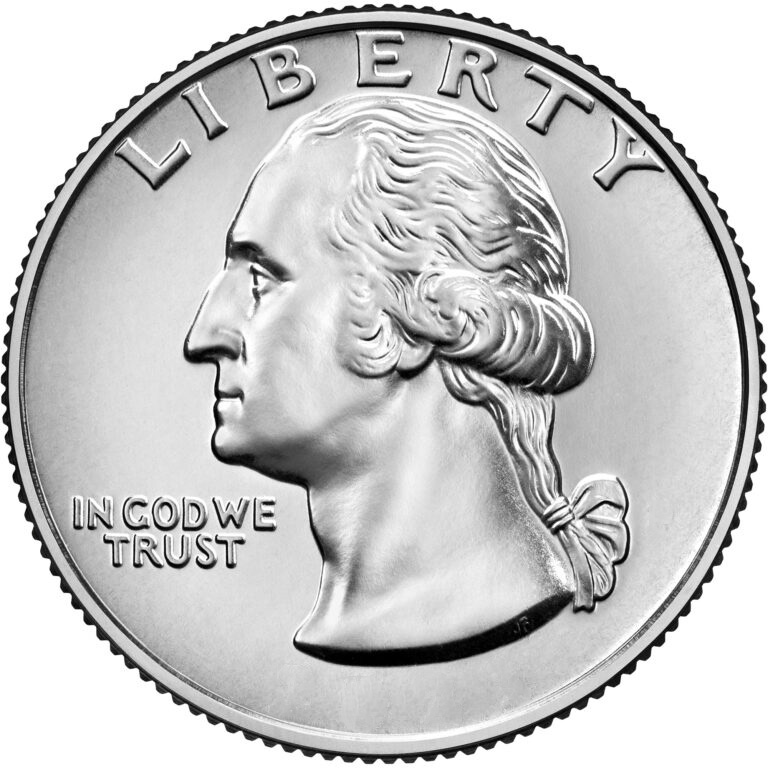
A coin's mint markis the single letter — or absence of a letter — that identifies which US Mint facility struck the coin. It's usually only a millimeter or two on a coin's surface, and yet it can be the difference between a coin worth face value and one worth thousands.
This guide covers what each mint mark means, where to find it on every US denomination, and why a single letter sometimes makes such a dramatic difference in value.
The mint marks you'll see
| Mark | Mint | Years Active |
|---|---|---|
| (none) | Philadelphia | 1792–present (mostly unmarked) |
| P | Philadelphia | 1942–1945, 1979–present (selected denominations) |
| D | Denver | 1906–present |
| S | San Francisco | 1854–1955, 1965–present |
| CC | Carson City | 1870–1893 |
| O | New Orleans | 1838–1909 |
| W | West Point | 1984–present (bullion, commemoratives) |
| D (early) | Dahlonega, GA | 1838–1861 (gold only) |
| C | Charlotte, NC | 1838–1861 (gold only) |
For most modern coins you'll only see P, D, S, or no mark at all. The historical marks (CC, O, C, dahlonega-D) appear on 19th-century coinage and tend to carry significant collector premiums.
Where to find the mint mark on each denomination
Lincoln Cent (penny)
On the obverse (heads side), below the date. From 1909 through 2017 the date and mint mark were paired this way. Common marks are D, S, and no mark (Philadelphia). Browse all US cent series, including the Lincoln Wheat Cent and the modern Lincoln Union Shield Cent.
Jefferson Nickel
Through 1965, on the reverse to the right of Monticello. From 1968 onward, on the obverse next to the date. The WWII-era "wartime nickels" (1942–1945) used a large mint mark (P, D, or S) above Monticello on the reverse — easy to spot. Browse the full Jefferson Nickel series for year-by-year mintage and value data.
Roosevelt Dime
Through 1964, on the reverse near the bottom, left of the torch. From 1968 onward, on the obverse above the date. Pre-1965 Roosevelt dimes are 90% silver and worth multiples of face value for the silver content alone. See also the broader US dimes catalog.
Washington Quarter
Through 1964, on the reverse below the eagle. From 1968 onward, on the obverse to the right of Washington's ponytail. State Quarters (1999–2008), America the Beautiful Quarters (2010–2021), and the current American Women Quarters all carry the mint mark next to Washington's portrait on the obverse. Full coverage on the Washington Quarter series page.
Kennedy Half Dollar
Through 1964, on the reverse below the eagle's claw. From 1968 onward, on the obverse below Kennedy's neckline. Browse the Kennedy Half Dollar series or the broader US half dollars catalog.
Dollar Coins
Modern dollars (Sacagawea, Native American, Presidential, American Innovation) carry the mint mark on the edge alongside the date — you have to look at the rim, not the face. Susan B. Anthony dollars (1979–1981, 1999) carry it on the obverse to the left of Anthony's portrait. See the full US dollars catalog for every modern and historical series.
Why a single letter can multiply value
The classic example: the 1909 Lincoln Wheat Cent. A standard 1909 from Philadelphia (no mint mark) is worth a few dollars in average condition. The 1909-S from San Francisco — same year, same design, only the "S" mint mark below the date — is worth $90 or more in Good condition. And the 1909-S VDB, with both the S mint mark and the designer's initials on the reverse, is worth $700+ in the same Good condition.
The reason: mintage. Philadelphia struck over 70 million 1909 cents. San Francisco struck only 1.8 million regular 1909-S cents and just 484,000 of the 1909-S VDB before public outcry forced the designer initials to be removed. Scarce coin × steady collector demand = durable price premium.
This pattern repeats across the catalog. Lower-mintage mintmarks from the right years can transform a face-value coin into a meaningful find:
- 1916-D Mercury Dime — around $1,500 in Good condition (264,000 mintage)
- 1932-D & 1932-S Washington Quarter — first-year scarcities
- 1893-S Morgan Dollar — major silver-dollar key date
- 1877 Indian Head Cent — Philadelphia (no mark) but the lowest mintage of the series
For a deep dive into Lincoln cent values across every year and mintmark, see our Wheat Penny value chart.
What about "P" on Philadelphia coins?
For most of US history, Philadelphia coins carried no mint mark — the absence was the mark. That changed in 1979 when the Susan B. Anthony dollar introduced a P mint mark, and other denominations followed through the 1980s. The Lincoln cent never adopted the P mark; a Philadelphia-struck cent still has no mint mark today. The wartime Jefferson nickels (1942–1945) used a large P on the reverse to distinguish their 35% silver alloy.
Tips for spotting mint marks on worn coins
- Use a 5–10× loupe — small marks like the dime's pre-1968 reverse mark are easy to miss with the naked eye
- Angle the coin under a light — relief details show better with raking light
- Check pre- vs post-1968 placement — many denominations moved the mark from reverse to obverse in 1968
- Beware of altered coins — added or removed mint marks are a common counterfeiter trick on key dates. Have any high-value candidate authenticated by PCGS or NGC.
- Why don't my pennies have a mint mark?
- They're from Philadelphia. The Philadelphia Mint historically doesn't put a mint mark on the cent. It's normal for any given Lincoln cent to have no mint mark.
- What does the W mint mark mean?
- West Point, NY. The West Point Mint mostly produces bullion (American Eagles, gold and platinum issues) and commemorative coins. Circulating coins with W mint marks are unusual and often come from special programs — for example, the 2019 W quarters released into circulation as a collector promotion.
- Are pre-1965 silver coins worth more because of the mint mark?
- They're worth more because of their silver content (90% silver for dimes, quarters, half dollars). The mint mark is a secondary factor that affects collector premium beyond melt value.
- Can I find rare mint marks in pocket change?
- Modern collectible mint marks like S (San Francisco proof) or W (West Point) rarely escape into circulation. Most circulating coins today are P or D. That said, careful checking of older dates in cash drawers and coin rolls still turns up surprises.