How to Spot a Counterfeit Coin: A Beginner's Authentication Guide
Catalog values and authentication details — fake coin detection.
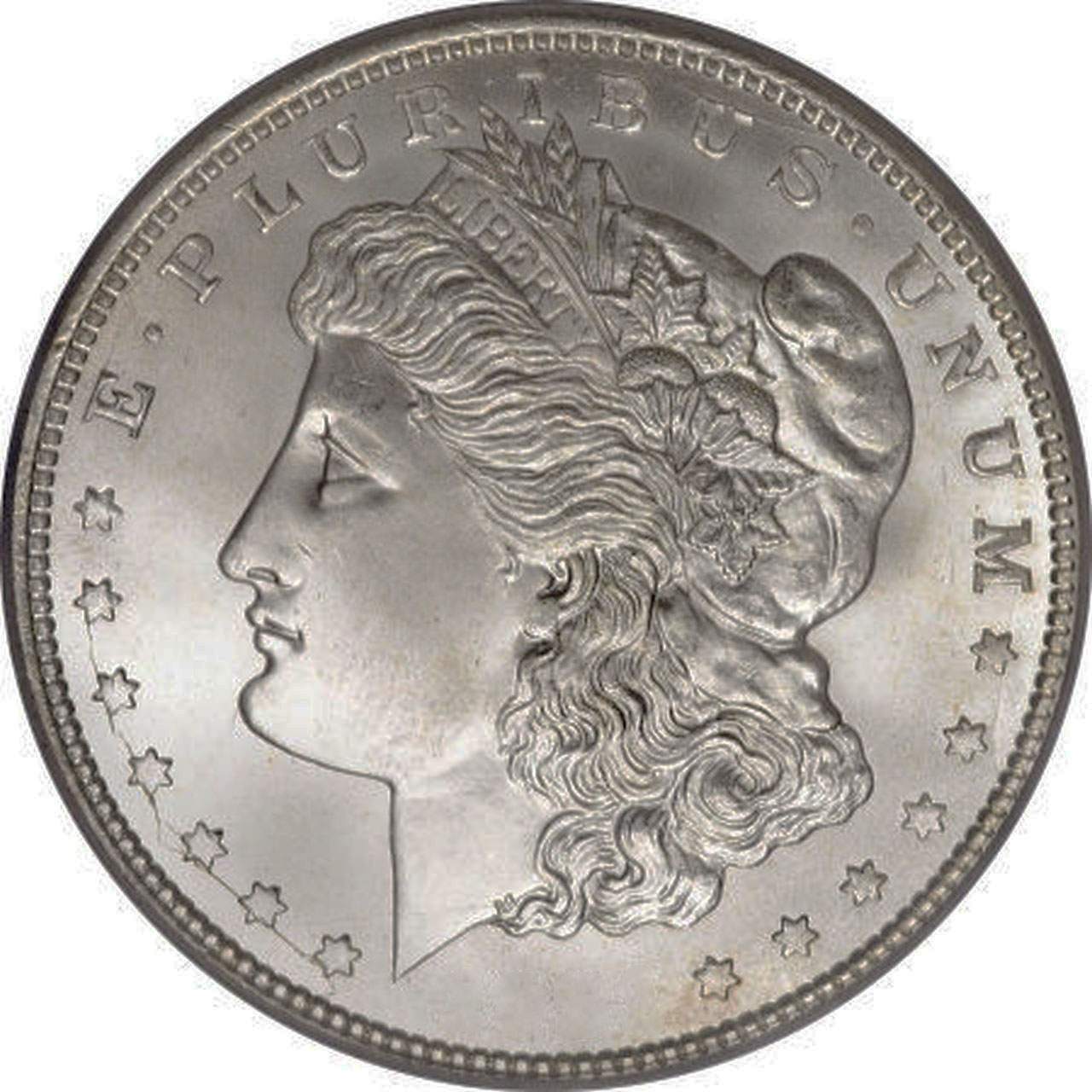
Counterfeit coins are not a niche problem. They flood eBay, flea markets, Facebook Marketplace, and estate sales — and the fakes are getting better every year. Chinese manufacturing has made it cheap to produce convincing replicas of high-value US coins that fool casual buyers at first glance. The good news is that every fake fails at least one of five objective tests, and none of those tests requires expensive equipment or years of experience.
This guide walks through the five-test authentication checklist, names the specific US coins that attract the most fakes, explains when you need a professional slab, and lists the online red flags that should stop you from clicking "Buy It Now."
The five-test authentication checklist
Run these tests in order. A real coin passes all five. Most fakes fail within the first two.
1. Weight
Every US coin has a published target weight specified by the Mint. A precise digital scale — the kind sold for reloading ammunition or jewelry, accurate to 0.01 grams — is the single most powerful counterfeit detector you can buy for under $20. Common fakes are struck in base metal alloys that are either lighter or heavier than the genuine coin's specification. A Morgan Dollar, for example, should weigh 26.73 grams. A slug that comes in at 26.1 g or 27.4 g is almost certainly not genuine silver.
Look up the correct specification for any coin before testing — the target weight for every US coin in the LuckyCoin catalog is listed on its coin page.
2. Dimensions
Diameter and thickness are just as telling as weight. Cheap digital calipers (under $15) give readings to 0.1 mm. A genuine Morgan Dollar is 38.1 mm across; many Chinese replicas run 38.4–38.6 mm because the die was copied from a photograph rather than a genuine coin. Thickness varies too — a coin struck in the wrong alloy that achieves the right diameter will almost always be the wrong thickness.
3. Magnetism
Silver and gold are non-magnetic. If a coin claiming to be silver or gold sticks to a neodymium magnet, it is not silver or gold — full stop. Even a coin that doesn't stick outright should be tested with the "magnet slide": hold a rare-earth magnet at a 45-degree angle and slide the coin against it. Pure silver creates a braking effect (eddy current drag) that slows the slide noticeably. Copper, zinc, and most counterfeit alloys produce little or no drag. This test catches silver-plated copper fakes that pass a casual visual check.
4. Sound
Genuine silver coins ring. Balance the coin on a fingertip, tap it lightly with another coin or a pen, and listen. Real silver produces a clear, sustained high-pitched ping that lasts a second or more. Base metal fakes — zinc, pot metal, plated copper — produce a dull thunk that dies immediately. This test works reliably on Morgan Dollars, Peace Dollars, Walking Liberty Halves, and other large silver coins.
5. Visual inspection under magnification
A 10× loupe or a USB microscope reveals details the naked eye misses. Look for:
- Font and lettering. Genuine US Mint dies are cut with precision. Counterfeit letters often have slightly blunt serifs, inconsistent depths, or granular surfaces inside the letter channels from transfer-die copying.
- Mintmark style. Each mint used specific punches in specific years. A mintmark that looks too clean, too perfect, or raised above the surrounding field (rather than integrated into the die strike) is a red flag — especially on coins where the mintmark was added by hand to individual working dies.
- Surface texture. Genuine coins have flow lines in the fields from the metal moving under the die. Cast fakes have a granular, porous surface texture that shows up clearly under 10× magnification. Die-struck fakes are harder to catch this way, but often show tool marks from after-the-fact mintmark additions.
- Reeding. The edge reeds on a genuine coin are sharp, even, and consistent. Cast fakes frequently have soft, rounded, or uneven reeds.
The most-counterfeited US coins
Fakes follow money. The coins below attract counterfeits because they command high prices even in worn condition, making them worth the effort to fake.
1909-S VDB Lincoln Cent
With only 484,000 struck, the 1909-S VDBis worth hundreds of dollars in any grade. The two most common alterations are adding a fake "S" mintmark to a genuine 1909 Philadelphia VDB cent, or adding fake "V.D.B." initials to a genuine 1909-S without VDB. In both cases the added element sits slightly proud of the field and looks too crisp relative to the coin's overall wear level. See our full 1909-S VDB authentication guide for the exact checks, and browse the full Lincoln Wheat Cent series for correct mintmark reference images.
1916-D Mercury Dime
The 1916-D Mercury Dimeis the key date of the Mercury Dime series, with a mintage of just 264,000 pieces. The most common fake is a 1916 Philadelphia dime with a "D" mintmark added by re-punching. Since the coin is small and the mintmark is tiny, this alteration can be hard to spot without magnification. The real "D" on a genuine 1916-D was punched into each working die individually and has a characteristic position and style — compare against confirmed examples in the Mercury Dime catalog.
1893-S Morgan Dollar
The 1893-S is the rarest circulation-strike Morgan Dollar with a business-strike mintage of just 100,000 pieces. Because genuine examples in any grade command large sums, altered coins — usually an 1893-O or 1893-P with the mintmark changed or added — are common. Our Morgan Dollar key dates guide covers the full authentication checklist for the 1893-S and other high-value Morgan dates.
1943 Bronze Cent
In 1943 the Mint switched to zinc-coated steel cents to conserve copper for the war effort. A small number of bronze planchets from 1942 accidentally remained in the hoppers and were struck, producing the famous 1943 bronze cent — one of the most valuable Lincoln cent errors in existence. The most common fake is a genuine 1943 steel cent that has been copper-plated. The magnet test immediately exposes these: a genuine 1943 bronze cent is non-magnetic; a plated steel cent sticks firmly. Our dedicated 1943 bronze penny real vs. fake guide covers every test in detail.
Trade Dollars (1873–1885)
Trade Dollars were struck for commerce in Asia and many were counterstamped by merchants. Genuine counterstamped examples are collectible; fake counterstamps added to genuine coins, and outright counterfeit Trade Dollars, both circulate in the market. Weight and dimensions are your first check — a genuine Trade Dollar weighs 27.22 grams (420 grains), and counterfeits are commonly two or more grams light because they are silver-washed over copper or base-metal alloys.
American Silver Eagles
Modern American Silver Eagles are among the most-faked coins in the world, with mass-produced Chinese counterfeits readily available online. These fakes have improved dramatically in recent years and some pass a casual visual test. The magnet slide test and precise weight check remain reliable — a genuine Silver Eagle weighs 31.103 grams (one troy ounce of .999 fine silver). Many fakes are slightly light or show the dull thunk on the sound test.
When to insist on a professional slab
For any coin priced above roughly $300, a slab from PCGS, NGC, or ANACSis not optional — it is the cost of doing business safely. The major grading services have examined millions of coins and their holders include microprinting, bar codes, and verification tools that are effectively impossible to fake at volume. When you buy a slabbed coin, verify the certification number on the grading service's website before completing the transaction.
Raw (unslabbed) coins in high-value categories are not inherently suspicious, but they require you to do all five tests yourself — ideally in person, before paying. A seller who refuses to let you handle or test a raw coin claiming to be a key date is a red flag.
Online red flags
Most counterfeit coin transactions happen online, where you can't perform physical tests before buying. These patterns should make you stop and reconsider:
- Price well below market.If a coin that catalogs at $700 in G-4 is listed for $150, the seller either doesn't know what they have or they do know exactly what they have. Either scenario requires extreme caution.
- Generic or stock photos.A legitimate seller of a valuable coin will photograph their specific coin, usually both sides, often with a ruler or scale for reference. A listing using a manufacturer's product photo or a low-resolution scan is a warning sign.
- "No returns" policy. Reputable dealers of high-value coins stand behind their attributions. A no-return policy on a coin claimed to be a key date is a red flag.
- Overseas seller shipping domestic coins.Chinese and Eastern European sellers dominate the counterfeit US coin market. That doesn't mean every overseas seller is dishonest, but it raises the due-diligence bar considerably.
- Bulk lots of "rare" coins. A seller offering ten 1909-S VDB cents at once is offering ten fakes. Genuine examples are accumulated one at a time over years of searching.
- Unverifiable slab claims. Some listings show a photo of a slab but the certification number is blurred or absent. Always demand the full cert number and verify it yourself on PCGS.com or NGCcoin.com before bidding.
Building authentication habits for the long term
The collectors who get burned by fakes are almost always the ones who skipped one test because the coin looked right. The five-test checklist works because it is redundant: a good fake might pass one or two tests, but genuine coins pass all five consistently. Make the checklist a habit, not a last resort.
For the specific high-value coins most likely to appear in your collecting focus, our dedicated authentication guides go deeper than this overview can: see the 1909-S VDB Lincoln Cent guide, the 1943 bronze penny guide, the Morgan Dollar key dates guide, and the 1916-D Mercury Dime guide.
- What is the easiest way to tell if a coin is fake?
- Weight is the fastest first test. Every US coin has a published target weight — a precise digital scale accurate to 0.01 grams costs under $20 and will catch the majority of base-metal fakes immediately. Follow up with the magnet test for any coin claimed to be silver or gold: genuine silver and gold are non-magnetic, and silver creates a measurable eddy-current drag on a rare-earth magnet.
- Can fake coins pass the weight test?
- Some sophisticated fakes are engineered to hit the correct weight by combining alloys. This is why the checklist has five steps — a coin that passes the weight test still needs to pass dimensions, magnetism, sound, and visual inspection. Cast fakes in particular almost always have a granular surface texture visible under 10× magnification even when the weight is close.
- Are all coins from China fake?
- No. Many reputable dealers and collectors worldwide ship coins internationally, and Chinese collectors buy and sell genuine US coins. The concern is specifically with mass-produced replica coins manufactured in China and sold as genuine — a real and well-documented problem. The solution is the same regardless of seller location: run the five tests, and for coins over $300 insist on a verified PCGS or NGC slab.
- Do I need to buy expensive equipment to detect fakes?
- No. A digital scale ($15–$20), digital calipers ($12–$18), a neodymium magnet ($5 for a pack), and a 10× loupe ($10–$15) cover the full checklist for under $70 total. The sound test requires nothing but your ears. Professional authentication equipment exists, but the basic tools catch the overwhelming majority of counterfeits encountered by hobbyist collectors.
- Should I buy a coin without seeing it in person?
- For high-value raw (unslabbed) coins, buying without an in-person inspection carries real risk. If you must buy remotely, demand sharp photographs of both sides plus the edge, verify any slab certification number on the grading service's website, use a payment method with buyer protection, and factor the cost of third-party authentication into your budget before bidding. For coins over $300, a verified PCGS or NGC slab is the safest option when buying sight-unseen.
- What should I do if I think I've already bought a fake?
- Stop using it as currency — passing a counterfeit coin as genuine is a federal offense regardless of whether you knew it was fake when you bought it. Contact the seller immediately and document your communications. If the seller is unresponsive, file a dispute through your payment processor. Have the coin examined by a local coin dealer or submit it to PCGS or NGC for authentication. If the coin turns out to be counterfeit, the grading service will confiscate it; that's the correct outcome and protects the next buyer.
- Which grading services are most trusted for authentication?
- PCGS (Professional Coin Grading Service) and NGC (Numismatic Guaranty Company) are the two most widely accepted services for US coins. ANACS is the oldest US grading service and is also respected, particularly for error coins. All three encapsulate authenticated coins in tamper-evident holders with serial numbers you can verify on their websites. For the highest-value coins, PCGS and NGC holders carry the strongest market premium.